लालटेन, লণ্ঠন, விளக்கு, ਲਾਲਟੈਣ, റാന്തൽ – the many Indian names for the humble Lantern which was part of our growing up years. It helped us navigate darkened evenings and look forward to a brighter future.
Summer of 2026: The lights went off! The humming of the HVAC stopped, and our security system beeped about losing its internet connection. It was around 7.45 in the evening right during dinner. Our Gen-Alpha kid asked, “How is the energy so weak?”
We gasped.
As Millennial parents, who grew up with “load-shedding” or controlled power cuts due to severe shortfall – a regular occurrence every evening during our childhood – that statement about ‘systems being weak’ took us back in time.
Summer of 80s/90s: I have a shadowy memory of a power cut when I was 3 or 4 years – we had just shifted to an almost-constructed apartment complex in then Calcutta by the side of a stagnant pond covered with water hyacinths, algae, or moss. Needless to say, there were scores of mosquitoes to deal with and almost next-to-nothing infrastructure. It was just a cemented box where we would eventually build our home. It was evening, when the strong yellow light bulb hanging from an electric wire just went dark. It was load-shedding. My instant reaction was crying – and as if on cue, my mother took out a small “hariken”.
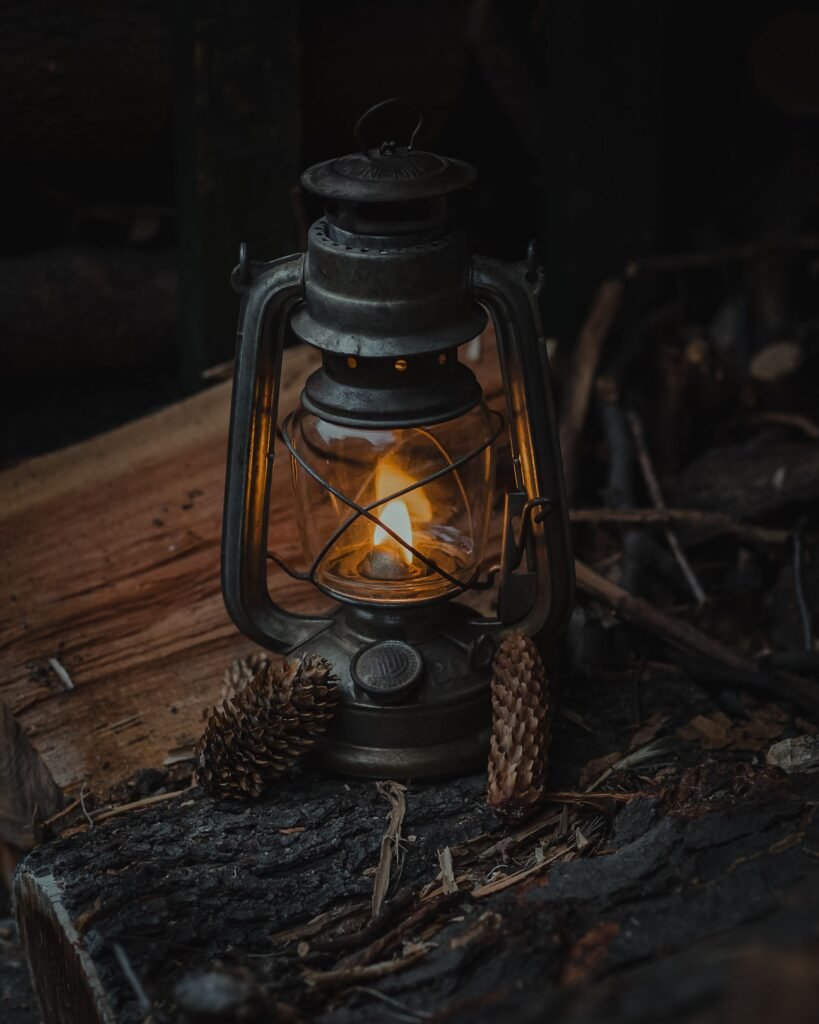
That was my first meet-cute with the humble lantern – a rustic metal frame holding a bulbous glass chimney, featuring a wide oil tank at the base and a long wire handle at the top.
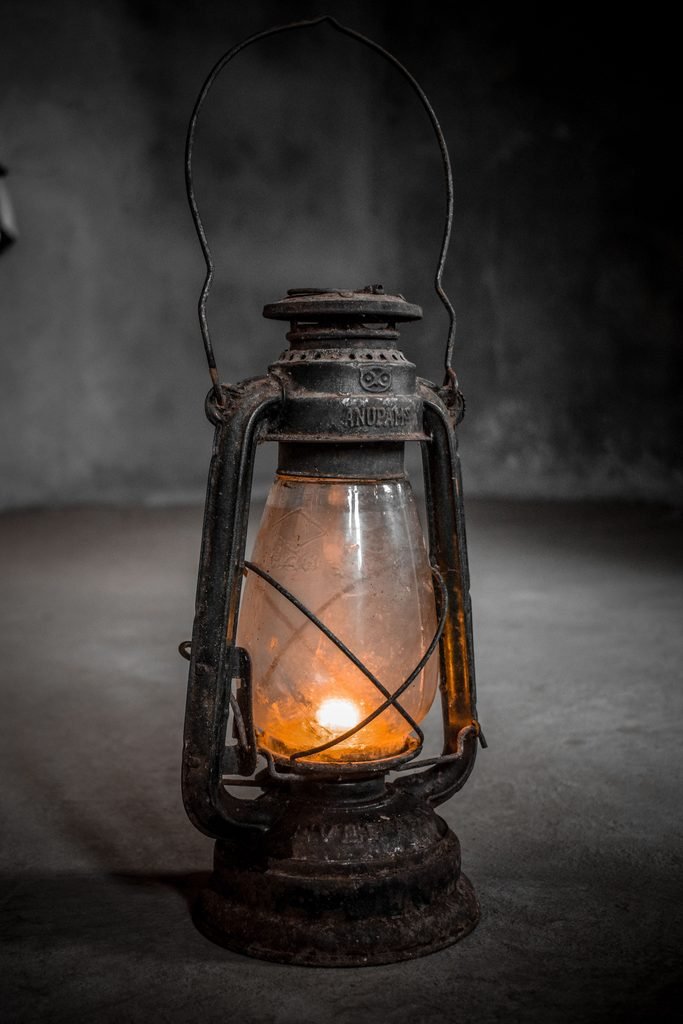
It was called Lalten, the standard term used across the entire Hindi-speaking belt, Hariken or Kupi or Lompho in Bengal, Ranthal in Kerala, Dhibri/Dhibari, highly popular term in Bihar, Jharkhand, and Uttar Pradesh. Kuppi was used across Punjab, Haryana, and Delhi, Buddi/Enne Dabba in Karnataka and calling it Chirag was common across Jammu & Kashmir, Punjab, and Urdu-speaking households in the north. Many names of a powerhouse that would light up most of our evenings and nights while growing up.
In its first appearance, I discovered that kerosene fuelled a typical smell when the lamp was lit. The delicate twine string that would emerge from the oil-dipped base upward towards the bulbous glass chimney had to be sprouted in the perfect way to make sure the lantern gave enough light to manoeuvre around the room. One such trick was to keep it at an elevated place – like on top of a refrigerator. It would give you light enough to carry on your basic evening chores. Or, you could hang the lantern by its long wire handle on a hammered nail in the wall.
And, not every member of the family had their personal lanterns. A household would, at max have two – one for kitchen chores and the other one for everyone. Kerosene was pricey and it was not easy to get – you had to queue at your ration shops to get the specified amount every 15 days. So, ‘use it sparingly’ was the mantra. I have heard from neighbours how they ‘managed’ to get extra kerosene during severe blackouts. Of course, black market thrived.
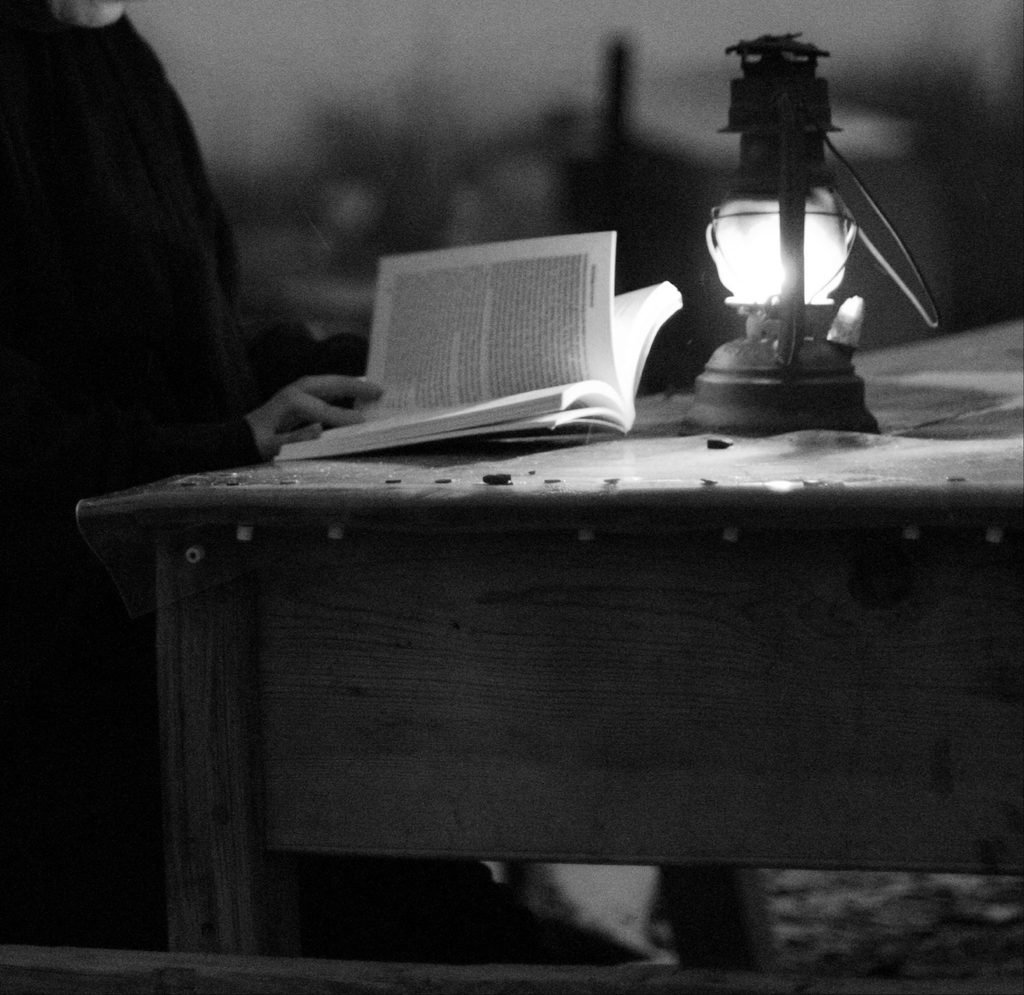
During weekdays, those lanterns were needed to finish our homework. We would sit around in circle keeping the lantern in the middle. Sometimes, few bugs would be circling around it, especially during autumn and the onset of winter. One of my most fun moments during this time was to use tiniest scrap of paper and throw it inside the glass chimney only to see a momentary flash of fire! It was difficult to concentrate while studying as shadow-play became a major fun-game activity. Deer, butterflies, flowers – any hand gestures against the lantern would project larger-than-life images on the opposite walls. There were giggles, laughter and also scolding from parents for not being ‘serious’! One of the few things that I still carry within me – whenever there is sparse light, my ‘deer’ shadow comes right out!
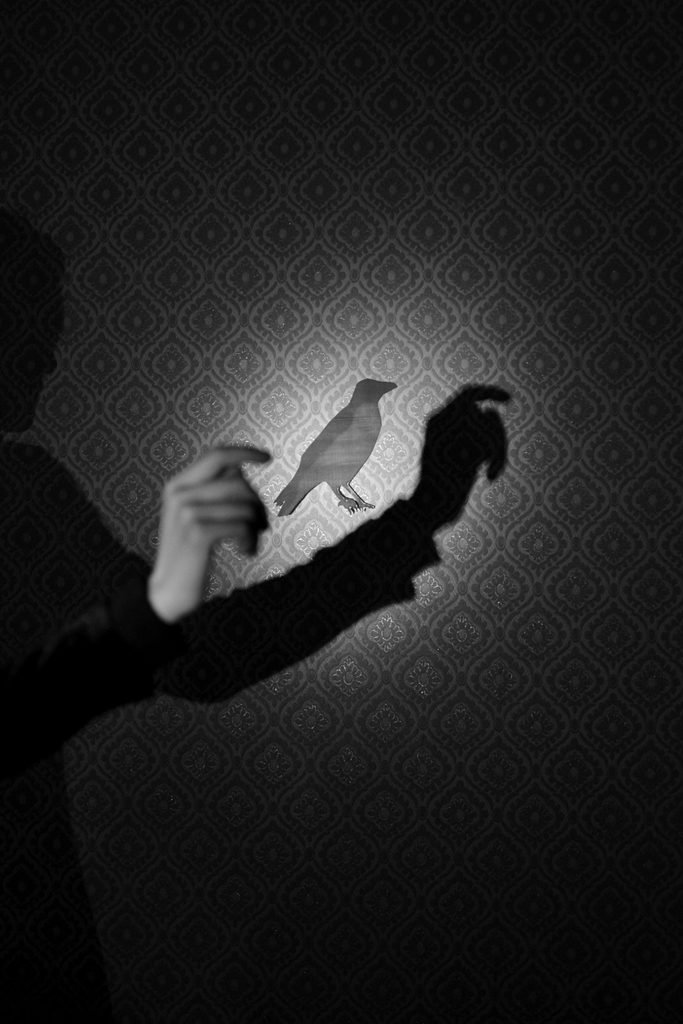
The lanterns were witness to some amazing ghost stories. Mostly during weekends, someone from the neighbourhood would gather all the kids from the community together, he/she sat with a lantern nearby, and narrated those horror stories with own sound effects. Were they scary? Yes! I remember in the midst of such story-telling, one particular narrator would tactfully move the lantern from one side to the other, playing with the shadows and making it sure we skipped a heartbeat in horror! We did.
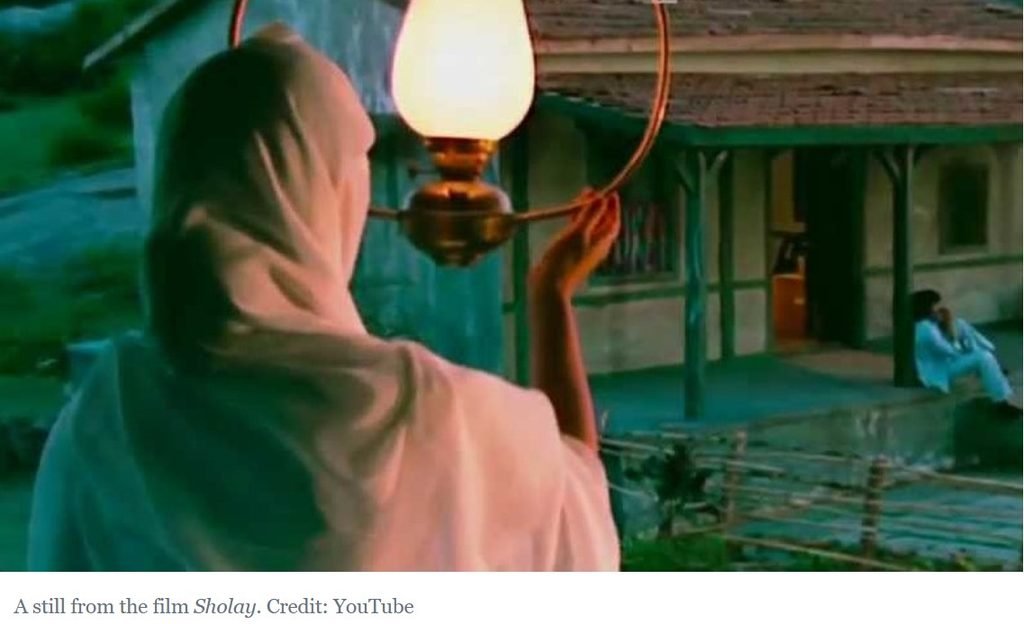
The Hindi Film Industry also used the iconic lantern in its plots, songs and as symbolic moments. Arguably the most famous “lantern scene” in Indian cinema history is in Sholay (1975). The character Radha played by Jaya Bachchan slowly walks through the courtyard holding a classic handheld kerosene lantern to light the lamps of the house while Jai played by Amitabh Bachchan plays a melancholic tune on his mouth organ on the porch at dusk.
Lagaan (2001) uses lalten frames for midnight strategy meetings inside village mud houses, alongside high-pressure Petromax lamps for large community gatherings, and Lootera (2013) employs warm, flickering lantern light inside a grand, decaying 1950s mansion in West Bengal to underscore a melancholic romance. Tumbbad (2018) is the absolute peak of lalten cinematography. The characters navigate pitch-black subterranean spaces relying entirely on the raw, amber glare of a single handheld lantern to amplify the folk-horror dread.
The usage of lantern might have dwindled to a naught in the last two/three decades, but somehow the memories of such times slide through our minds when you see IKEA bringing back the TÄRNABY Table Lamp which is designed explicitly to mimic a vintage oil lantern. The 10-inch lamp features a steel base, a bulbous glass chimney, a retro fabric-wrapped cord, and a visible bulb that emulates a live flame. A standout feature is the small rotary knob on the side; rather than raising a wick, it functions as a smooth dimmer switch to easily dial the light from a cozy nightlight flicker to bright bedtime reading illumination.
And, guess what keeps flickering through the night at our house?